Welcome to day 13 of 40 craft lessons.
If second-person POV sounds unfamiliar, what would you say about first-person plural POV (“we”, “us”)?
It’s strange, isn’t it?
But once upon a time, the first-person plural was the natural choice for oral storytelling. Many cultures told stories not from an individual’s perspective but from the community’s shared memory: “This is what we remember,” “This is how we learned,” “We used to have…”
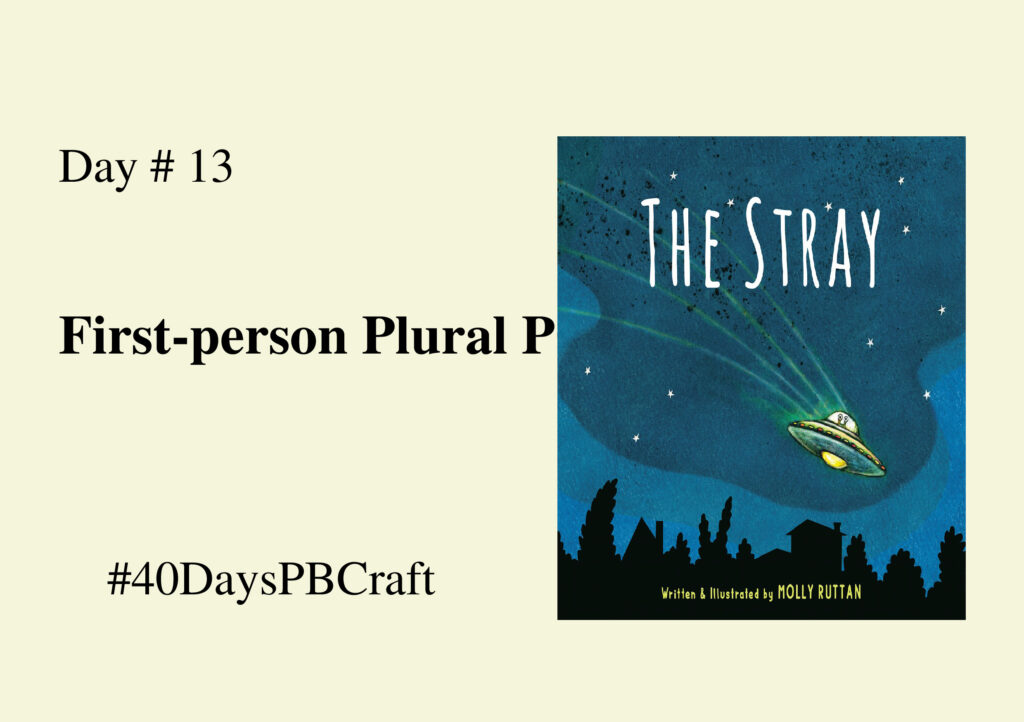
In The Stray (2020, Molly Ruttan), a family finds an alien. Throughout the book, the reader doesn’t
receive any information about family members, their thoughts, or their relationships. Throughout the book, the reader gets no information about the family members, their thoughts, or their relationships. They are one unit: we. Their reactions blend. Their emotions move in sync. The individual melts into the group, and the story becomes about their shared experience rather than any one person’s inner life.
That is the power of the first-person plural: it creates a communal voice, a collective heartbeat. But it also disregards individual identity. Everyone becomes part of one body, one memory, one voice.
This POV isn’t meant for every story. But when you want to evoke shared memory, when you’re retelling an oral history, or when a story feels like it belongs to a community rather than one person, the “we” POV becomes something ancient and very resonant—almost like a chorus speaking across time.
It reminds us that some stories were never meant to be told by a single “I” in the first place. They were always meant to be told by us.
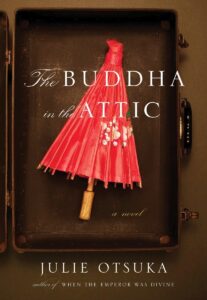
Reading suggestion: If you are interested in this POV, I highly recommend the adult novel The Buddha in the Attic by Julie Otsuka.
I hope reading this blog post has given you new ideas. See you tomorrow for Day 14. If you would like to read these 40 craft lessons on WhatsApp, please join the channel.
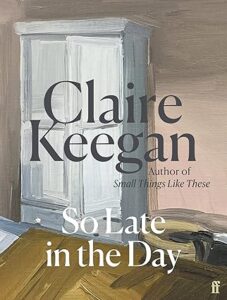
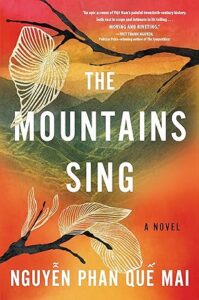
I loved that book!