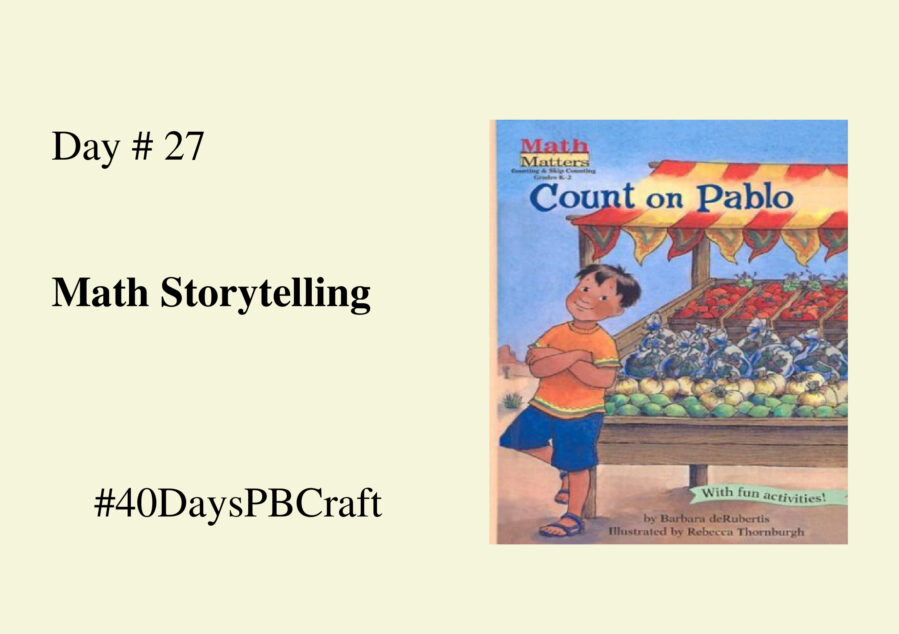
Day 27: Math Storytelling

Welcome to day 27 of 40 craft lessons. Math storytelling isn’t biographies of mathematicians. It also doesn’t refer to nonfiction books about math themes or math concept books. It’s exactly what the title implies: tell a story that familiarizes the young reader with math in a fun way. That means the narrative structure (beginning–middle–end) should […]

Day 27: Math Storytelling Read More »

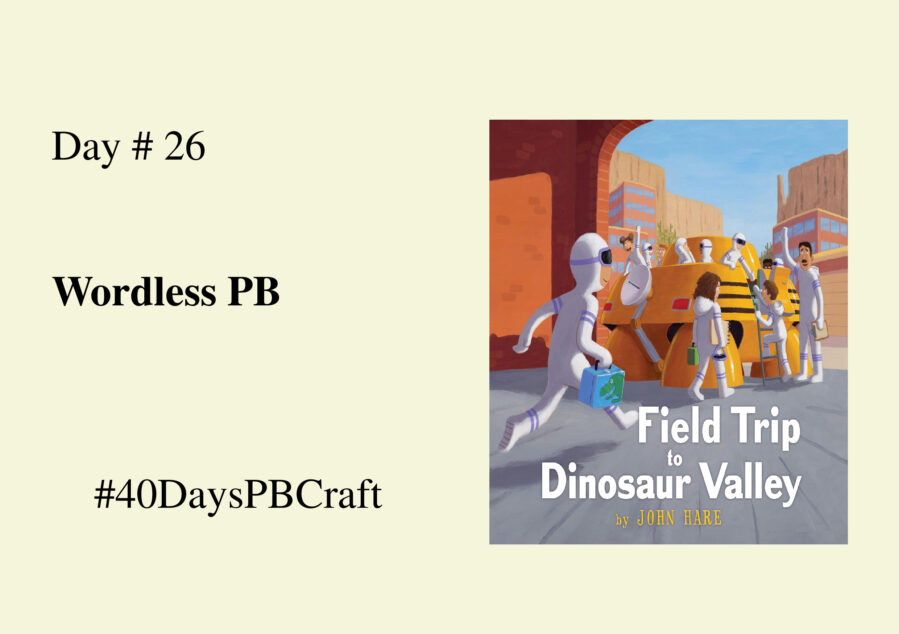
Day 26: Wordless Picture Books

Welcome to day 26 of 40 craft lessons. Picture books have dual narratives: text and illustration. Wordless picture books have only one narrative—illustration—which is a big advantage, especially for young readers who don’t need an adult to read the book aloud to them. Most wordless picture books are created by the author-illustrator. However, I still

Day 26: Wordless Picture Books Read More »

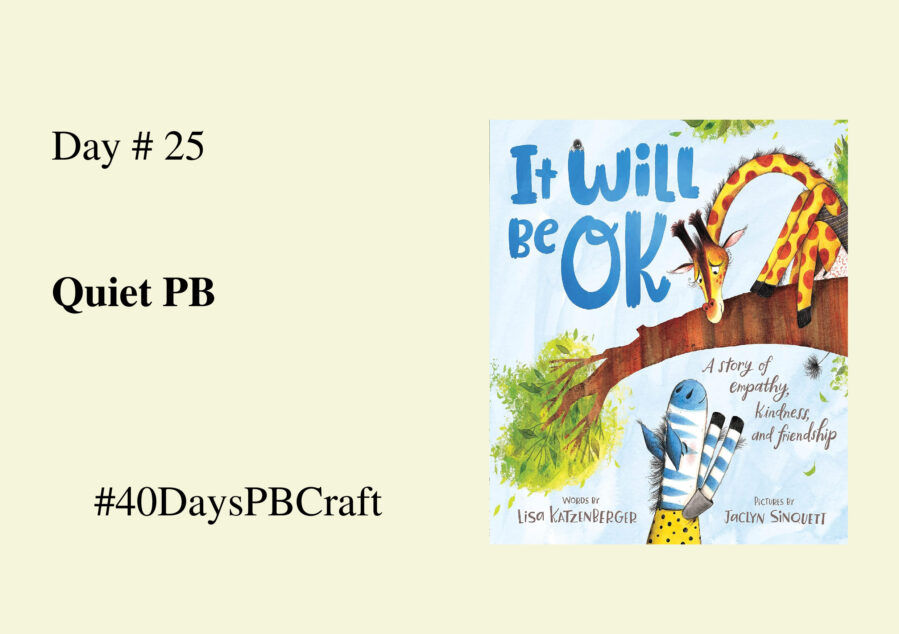
Day 25: Quiet Picture Books

Welcome to day 25 of 40 craft lessons. Picture books that focus less on action and more on the feelings and emotions of the characters are called quiet picture books. They are the perfect medium for discussing social-emotional learning and other challenging topics with children. That said, the lack of action doesn’t mean the main

Day 25: Quiet Picture Books Read More »

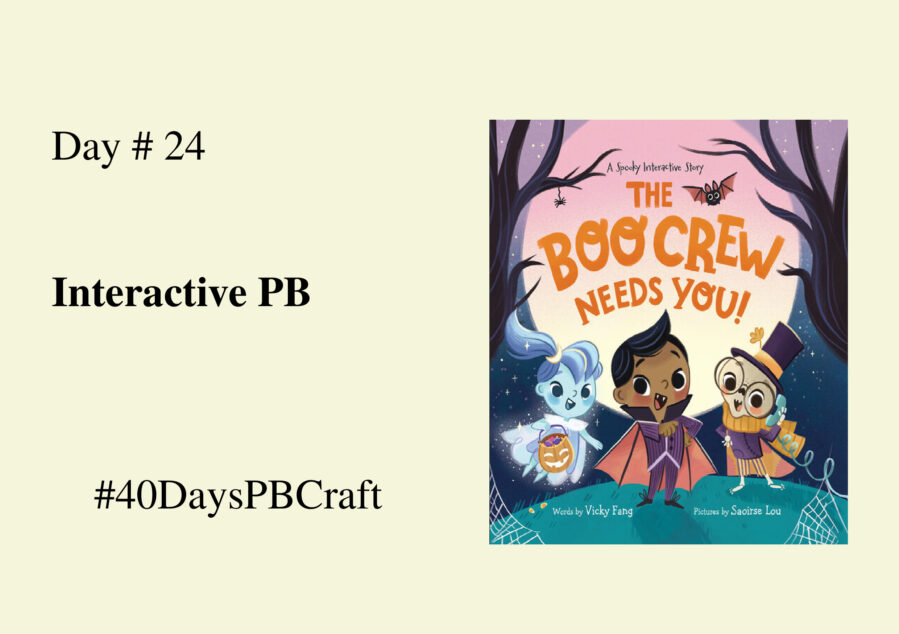
Day 24: Interactive Books

Welcome to Day 24 of 40 craft lessons from 40 picture books. An interactive picture book invites young readers to participate in the story. Through activities like tapping or blowing on the page, shaking or tilting the book, or clapping their hands, the reader isn’t just a listener but an active part of the storytelling. The

Day 24: Interactive Books Read More »

Day 23: High-concept Picture Books

Welcome to day 23 of 40 craft lessons. High-concept books are like El Dorado: agents and publishers seek them, and writers love to write them. But what are they? High-concept books are commercial, easily pitchable ideas with a unique twist that anyone can understand instantly. You can summarize a high-concept film or book with a

Day 23: High-concept Picture Books Read More »

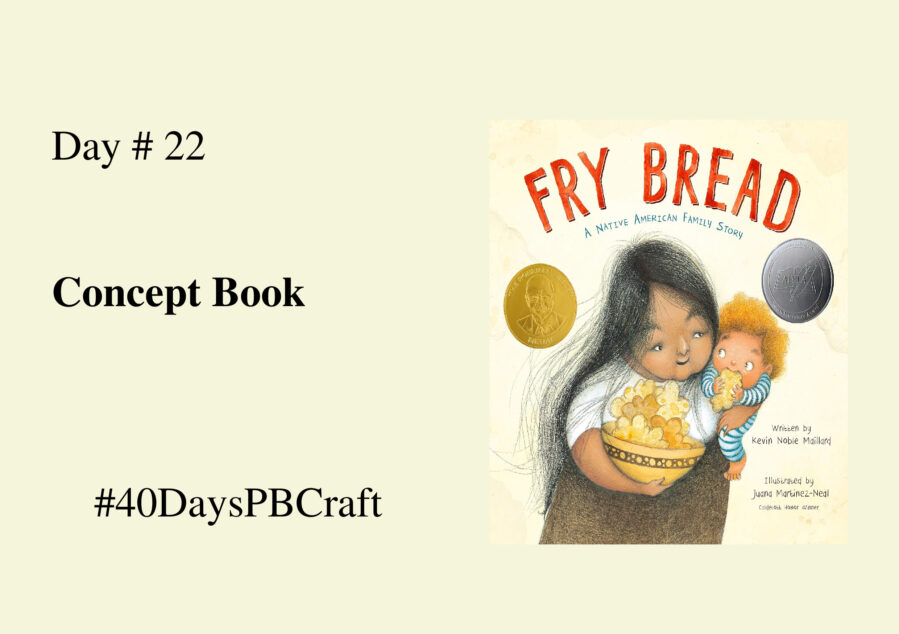
Day 22: Concept Books

Welcome to day 22 of 40 craft lessons. Traditionally, concept books were used to introduce basic ideas or concepts for toddlers: alphabet & basic vocabulary, colors, counting & numbers, etc. Those books had a few words and were mostly written by the publisher’s staff. In recent years, we’ve seen concept books with broader, mixed topics,

Day 22: Concept Books Read More »

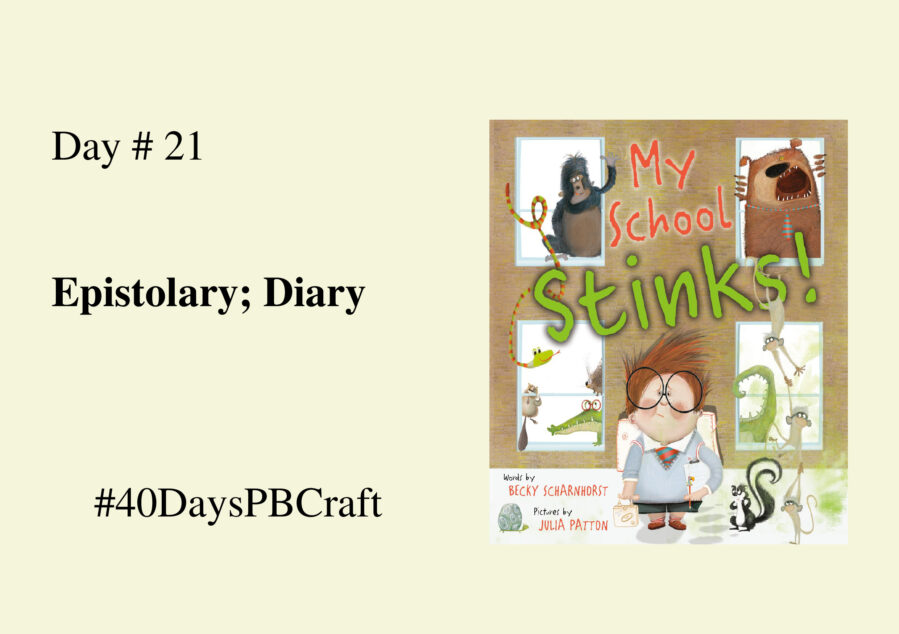
Day 21: Epistolary; Diary

Welcome to day 21 of 40 craft lessons. Another popular type of epistolary narration is a diary. The word ‘narration’ after epistolary reminds us of an important fact. Many people actively do daily journaling. If we create a child character who does so, would the diary be a picture book, or would it be a

Day 21: Epistolary; Diary Read More »

Day 20: Epistolary; Letters

Welcome to day 20 of 40 craft lessons. Epistolary narration refers to any story told through written communication. For example, letters, diaries, or collections of documents such as postcards, emails, or text messages. Many picture books that use diaries, postcards, or letters take a humorous approach. However, this type of narration can also be used

Day 20: Epistolary; Letters Read More »

Day 19: Reverse Chronology

Welcome to day 19 of 40 craft lessons. Most stories are told chronologically because our brains better understand the consequences of events. The story of Before She Was Harriet (2019, Lesa Cline-Ransome, James E. Ransome) doesn’t follow this order. It opens with Harriet as an old woman and then moves backward, stage by stage: she

Day 19: Reverse Chronology Read More »

Day 18: Metaphor

Welcome to day 18 of 40 craft lessons. Metaphor is another powerful asset in your writing toolbox. It allows you to convey complex emotions and ideas in the story without explicitly naming them. The Big Bad Wolf in My House (2021, Valérie Fontaine, Nathalie Dion, Shelley Tanaka) is a story about a heart-wrenching topic: child

Day 18: Metaphor Read More »